Showing posts with label gun control. Show all posts

Friday, January 24, 2014

How to Bury Your Guns and Ammunition

Firearms and Ammunition

How to Bury Your Stuff: The Ultimate Guide to Burying Your Guns and Ammo

Because no one can take what they cannot find
If you haven’t read it yet, I recommend reading my General Tips page before burying firearms or ammunition.
When burying firearms and ammunition, the key is to prevent moisture from damaging either steel or gunpowder. Obviously they need to be waterproofed completely so as to not allow contact with rainwater. Unfortunately, air also contains water and it’s going to be tough to absolutely isolate an entire firearm or a box of cartridges from any and all air. This is why stable temperatures are so important and why I constantly stress burying below the frost line and using some sort of insulation.

Keeping desiccant with your ammunition can be a lifesaver when storing ammo above the frost line or for longer than a few years. After sealing your desiccant and ammo together, you’ll also need a temperature buffer. Use dead air like a beer cooler to insulate against condensation or wrap your sealed ammo up in a cotton towel. Drop the wrapped up towel into an ammo can or Tupperware or Rubbermaid container. When using plastic totes, I recommend sealing the lid with silicone.
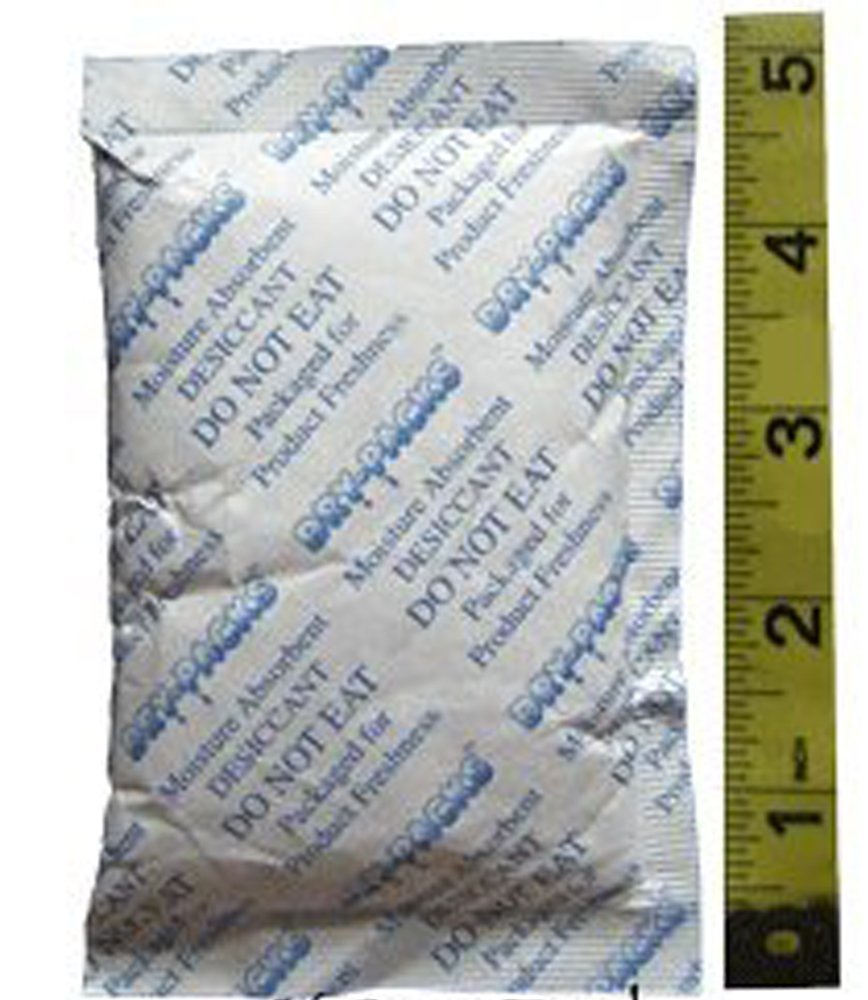
Using desiccant with firearms isn’t as critical as long as you’re digging deep. I always instruct people to just “over oil” the weapon and wrap it in an rag before sealing it inside a watertight container. It is however, more popular to grease your firearm thoroughly. Before doing so, remove anything made of wood (stock, grip or forearm), unload it and make sure that you dry-fire your weapon, you won’t want to leave the hammer-spring under tension. Ensure that your magazines are unloaded and your firearm’s action or slide is forward.
Completely coating/injecting a firearm with wheel bearing or white lithium grease is the most popular and effective way of preserving your guns, just be sure that you have the materials necessary to remove the grease. Keep in mind that removing any type of grease from any firearm will probably take more than a few moments; if you personally feel as though you may need your firearm quickly, then consider an alternative to grease.
Greasing firearms or purging your caches with nitrogen is probably a good idea if you intend to leave them underground for more than a couple years. Packing plenty of desiccant or silica-gel is another option; every little bit helps. When deciding on which method to use, consider how deep you are digging and how long the cache will be left unattended. If you are storing your firearms and ammunition below the frost line, then the “extras” aren’t really necessary.

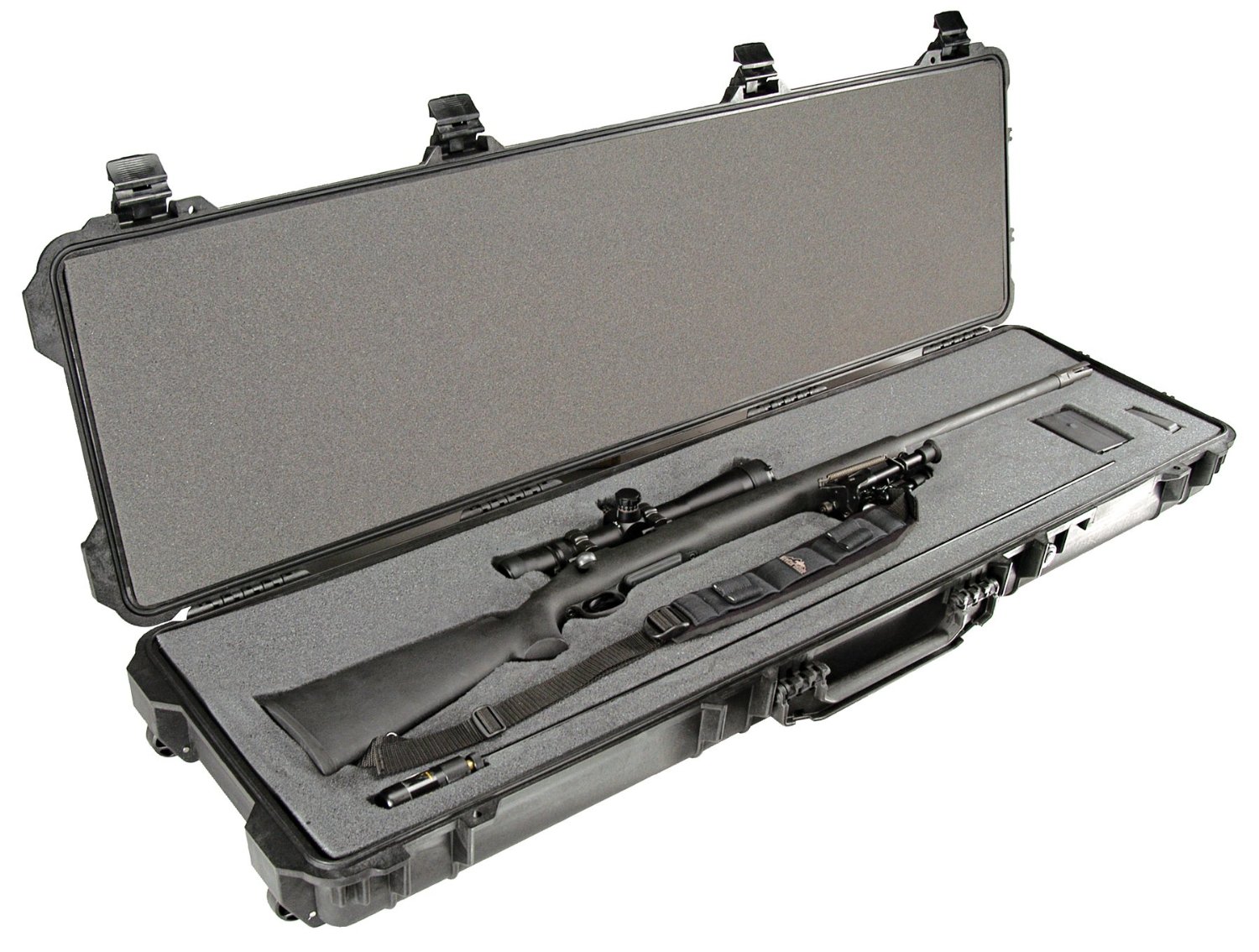
If you are burying a rifle or shotgun and can afford Pelican cases then I suggest getting one, they have an excellent reputation. If not, PVC pipe will do equally as well provided the weapon will fit inside the tube. Remember that if you’re not greasing your firearms to always wrap them in something; a blanket or some bath towels, don’t just toss it in a piece of PVC pipe. As soon as I can, I plan on adding a step-by-step instructional page about burying long guns.
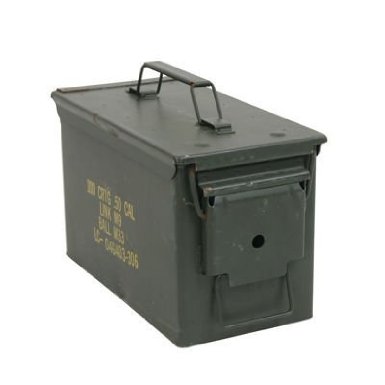
If you are burying a pistol, I recommend the military-issue ammo cans. Handguns are much easier to deal with when caching underground since they are much smaller; this equals less digging and easy covert transportation to and from the cache site.
Want my personal advice on burying a handgun? Oil the hell out of it, wrap it in a T-shirt and drop it an a military-issue ammunition can with a good rubber seal and bury it BELOW the frost line but no deeper than 5 or 6 feet. It sounds too simple and I’ve had people question this advice over the years; but never had any complaints from anyone who’s followed it.
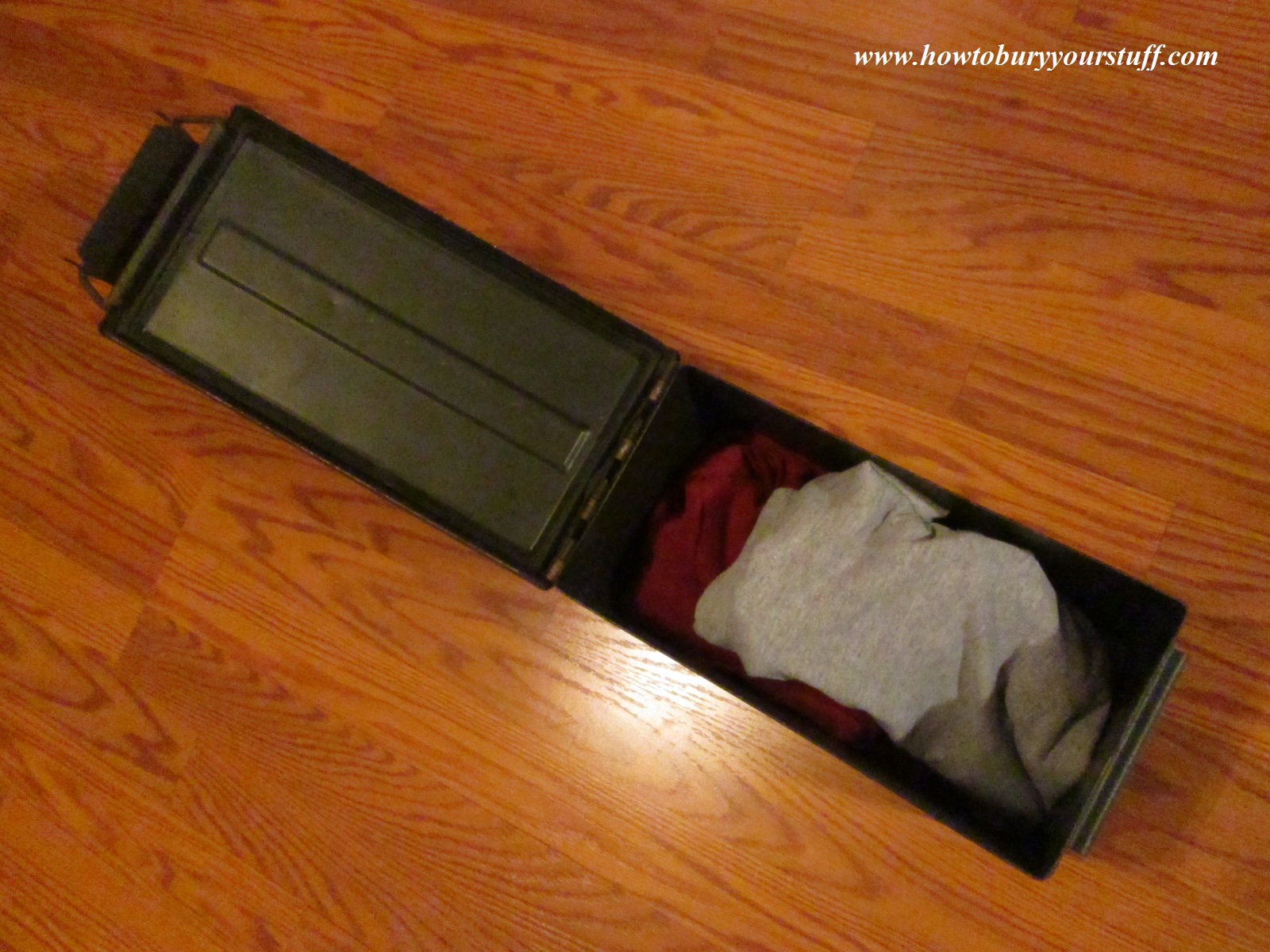
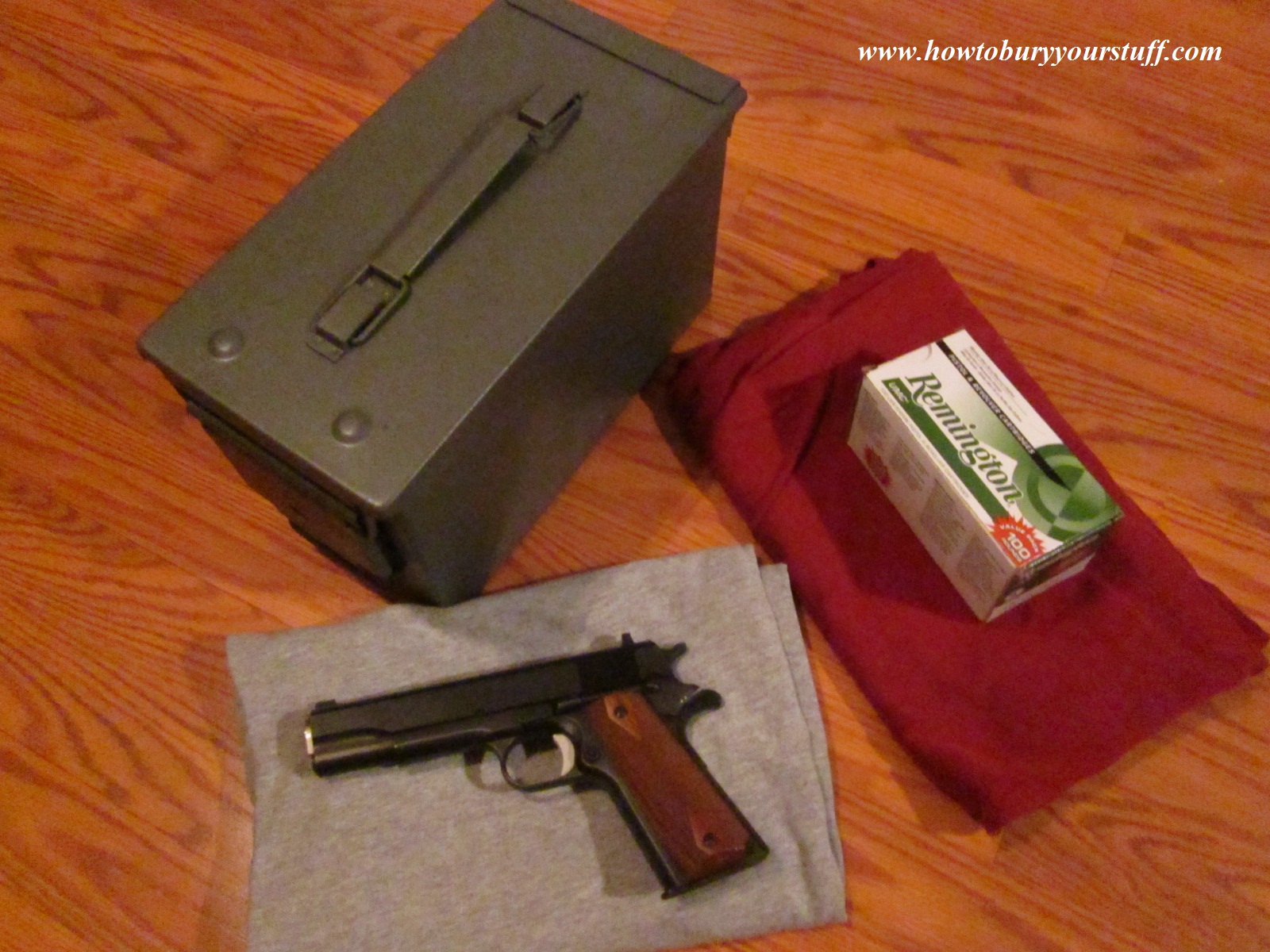
In the first photo shown below, I show a Remington 1911 R1, a box of 100 .45 caliber cartridges, an ammo can and two cotton T-shirts. If I were burying this gun for less than three years, I would simply wrap it (and the ammo) with the T-shirts just as you see in the second photo. Dig it up every couple of years to oil it thoroughly and you won’t have any problems. I’ll go into greater detail about using surplus ammo cans  on a separate webpage.
Take care when burying optical devices like rifle scopes, binoculars or night-vision optics. Use desiccant generously, make sure you use plenty of temperature insulation and make sure it’s waterproof.
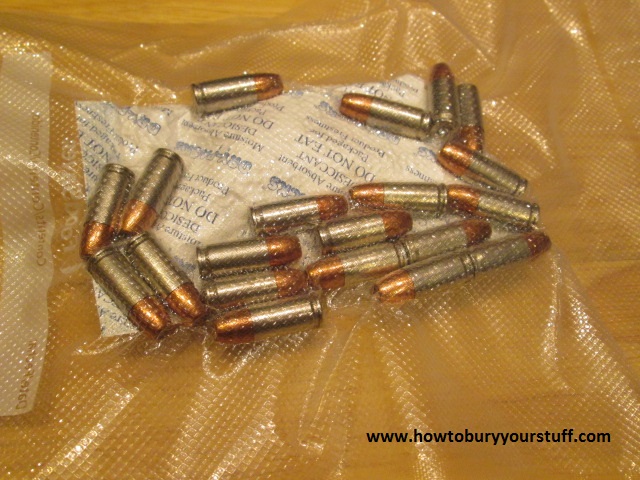
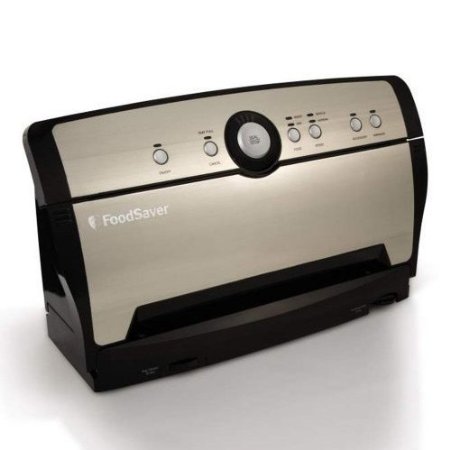
The very best way to bury ammo?…In my humble opinion, loose cartridges and desiccant sealed with a FoodSaver bag; then temperature-insulated with a towel and waterproofed again inside another container. I would advise this method if you’re burying above the frost line or you’re intending to leave the ammo underground for many years. The photo below is just an example, obviously one could put more than twenty rounds in each bag.
On this page, I’ve mentioned several popular methods of caching guns and ammo underground and if you’re new to the idea of burying firearms and ammunition, then this may all sound confusing. Are you wondering which one would I use? Which method is simple yet still works? Which method have I personally seen 100% positive results when done correctly? The answer is PVC pipe for long guns or military surplus ammo cans for handguns. No grease and no nitrogen; just oil the weapon and wrap it in something cotton; blankets or T-shirts. I’d seal my ammo in FoodSaver or Zip-Loc bags with desiccant and pack even more desiccant around the firearm.
I would bury the cache between 4 or 5 feet down and feel comfortable leaving it for 8 to 10 years. If it was a blued-steel gun (like the 1911 shown above) or any older firearm, then you will find surface-oxidation or discoloring after that long, but the gun would still shoot. if it was a newer gun like a Glock or any stainless-steel gun, it wouldn’t look a bit different.
I don’t recommend leaving any underground caches unattended for more than a few years. The soil moves and the landscape changes. Come back after 10 years and you may not be able to find your cache. If you are unable to dig up your guns and check them out every 2 or 3 years, and if you need long term storage, then you might consider grease, cosmoline or nitrogen-purging. Need them to go undisturbed for 20 or 30 years? Then I’d recommend completely covering AND injecting grease into every crevice of your firearm.
Ready to dig? Break out your storage tote, PVC pipe, beer cooler or ammo can and place your wrapped guns and ammunition inside. When burying guns and ammunition underground for longer than five years, I recommend adding about 12 inches to whatever frost line is suggested for your area; but just dig as deep as comfortably possible. The deeper you go, the stronger your containers must be; but the trade-off in depth is worth the extra work to reach more stable temperatures.

Saturday, December 14, 2013

The beginning of the end of the 2nd amendment; every American should see this

Haven't seen this yet; you need to watch it.

http://www.youtube.com/watch?v=Lh1zornUVv8


The beginning of the end of the 2nd amendment

I want anyone reading this to know right now that I am not a “conspiracy nut” or conspiracy theorist of any kind. On the contrary, I am usually the first one to ignore or discount a conspiracy. The old adage goes something like this, “You're not paranoid if they really are after you.” I mention this because throughout all of my life I've heard rumors that the government was, is and always will be out to get our guns.

I'm not a gun owner, I like guns but prefer archery/crossbows and I value my bows just as much as any gun owner values his firearms. I am also a strong supporter of our second amendment since it's the only amendment in our great Bill of Rights that enables us to defend the other nine amendments.

I don't always keep up with the news and current events and it's recently come to my attention that the State of New York has passed a law called The S.A.F.E. Act. I won't go into the bill's individual provisions since they are readily available on numerous websites but not one of the provisions in this bill affects criminals at all. This SAFE Act is mainly geared towards the registry (the collecting of information) of all firearm, magazine and ammunition sales. This means that when you make a purchase, all of your personal information is indexed in a database.

After several hours of research, I have been unable to confirm this, but there are too many reports coming out of New York of gun buy-backs, turn-ins and confiscations to ignore. The following is a copy of a “Notice” issued by the government of New York City.

THE GUN CONFISCATION NOTICE AN NYC RESIDENT REPORTEDLY RECEIVED WILL LIKELY SEND CHILLS DOWN YOUR SPINE

Nov. 27, 2013 11:19pm Jason Howerton
  • 730
  • 22.8K
  • 43
  • 13

Related:

New York City has reportedly started sending out confiscation notices ordering gun owners to “immediately surrender” rifles and/or shotguns capable of holding more than five rounds of ammunition. It is illegal to possess a rifle or shotgun with the capacity to hold more than five rounds in the city, according to NYC Administrative Code 10-306 (b).
An alleged notice sent to an NYC resident, dated Nov. 18, offers the gun owner the following options:
1. Immediately surrender your Rifle and/or Shotgun to your local police precinct, and notify this office of the invoice number. The firearm may be sold or permanently removed from the City of New York thereafter.
2. Permanently remove your Rifle and/or Shotgun from New York City…
3. You may call to discuss the matter if you believe your firearm is in compliance, or you may request the option to bring your firearm to a licensed gunsmith for a permanent modification and certification proving that it is permanently modified and in compliance.
 This is just one such example and there are others available if you care to search.

I've heard it all my life and usually dismissed it as a conspiracy theory but as of today I am no longer wearing blinders and I no longer consider it paranoia....people, they really are coming for your guns. Two of the thirteen provisions of the SAFE Act simply increase penalties for people convicted of gun crimes; one simply adds more prison time for someone AFTER they've already shot someone. Some of the provisions actually assist criminals in limiting ammunition capacities, this helps guarantee that the law-abiding will be out-gunned every time. The other eleven provisions are aimed directly at law-abiding gun owners.

Let me say that again, the other eleven provisions are aimed directly at law-abiding gun owners.

A few months ago, I launched a website www.howtoburyyourstuff.com and it's an informative site that I wrote myself without any outsourcing. I knew when I launched it that I'd never get rich from it so I want to make it clear that I don't care if you click on the ads or not. But if you are half as concerned about this issue as I am, then I encourage you to check it out. The video that I posted earlier today of Officer Aaron Weiss...


...both alarmed and inspired me. People this is just the beginning. I've done countless hours researching the legality of burying ones own firearms; or for that matter anything else that is rightfully yours, and as of 14 Dec 2013 it is perfectly legal to bury guns and ammunition in all 50 states. The only thing I'm unsure about is the legality of burying weapons on someone else's property without their permission; trespassing is still trespassing.

I encourage all gun owners to at least consider this as a potential option. Most gun owners have firearms that cannot be traced to them. Maybe you bought the weapon at a flea market, from a friend or the firearm was handed down by a family member. In any case, weapons such as these are prime candidates for underground caches. Again, as of today, this is perfectly legal and I encourage you all to consider this.

If the trend that has begun in New York spreads, you won't be able to hide your guns at a friends house or a bank's safety deposit box. My website's homepage explains why burial is the number one most secure option and the site is geared toward people who have never cached underground before. I give clear and concise step-by-step instructions to ensure the safety of your precious firearms, ammunition and anything else you care to protect.

Sincerely; from one second amendment supporter to another
Dave – www.howtoburyyourstuff.com

Why weapons of war belong on our streets

Weapons of war do not belong on our streets” was a direct quote from Barack Obama concerning the AR15 and AK47 styled semi-automatic rifles so common in America. These rifles can carry 30rd (or higher) magazines, have a rapid rate of fire and can be reloaded in a two or three seconds.

 Let’s step back to the year 1776, muzzleloaders, or muskets as I believe they were called, were “weapons of war” in 1776. These muskets were the high-tech “badass” assault weapons of the late 1700s and without them being readily available to the citizens of the 13 British colonies then I’m afraid we might still be under British rule.I’m reminded of a passage I read last year. I’ve searched and searched but cannot find it. In any case, it went something like this…“This new weapon is so destructive, so lethal, that no man in good conscience would ever deploy it even against his worst enemies. It changes the fundamental nature of war.”There was more to it than that, and much more eloquent, but that’s the gist. As one read the passage onenaturally thinks the author is referring to nuclear weapons. But no. The author was writing about – the crossbow. 

The point made in that book was that weapons do not change the fundamental nature of conflict and war and this is the very foundation for the second amendment.Assault weapons and their definitions change as technology changes. “Weapons of war” may be different than they were 200+ years ago but their place in our society has not changed. Weapons of war belong in every home, next to every couch and next to every bed, just as they did in 1776.  
 
Dave, Sept 2013 www.howtoburyyourstuff.com

Monday, November 11, 2013

Guns for Dummies


Responsible gun owners don't need things like this. If you can't remember whether or not you chambered a round, then you don't need a gun.

Sunday, November 10, 2013

Friday, November 8, 2013

Why weapons of war belong on our streets


“Weapons of war do not belong on our streets” was a direct quote from Barack Obama concerning the AR15 and AK47 styled semi-automatic rifles so common in America. These rifles can carry 30rd (or higher) magazines, have a rapid rate of fire and can be reloaded in a two or three seconds.

Let’s step back to the year 1776, muzzleloaders, or muskets as I believe they were called, were “weapons of war” in 1776. These muskets were the high-tech “badass” assault weapons of the late 1700′s and without them being readily available to the citizens of the 13 British colonies then I’m afraid we might still be under British rule.

I’m reminded of a passage I read last year. I’ve searched and searched but cannot find it. In any case, it went something like this…

“This new weapon is so destructive, so lethal, that no man in good conscience would ever deploy it even against his worst enemies. It changes the fundamental nature of war.”
There was more to it than that, and much more eloquent, but that’s the gist. As one read the passage one naturally thinks the author is referring to nuclear weapons. But no. The author was writing about – the crossbow.

The point made in that book was that weapons do not change the fundamental nature of conflict and war and this is the very foundation for the second amendment.

Assault weapons and their definitions change as technology changes. “Weapons of war” may be different than they were 200+ years ago but their place in our society has not changed.

Weapons of war belong in every home, next to every couch and next to every bed, just as they did in 1776.


Wednesday, November 6, 2013

Best method of packing ammunition for caching underground


Sealed with desiccant inside a FoodSaver bag – Ammunition can be packed in this way and buried safely below the frostline for years with no danger of damage or corrosion. For more information visit http://www.howtoburyyourstuff.com